

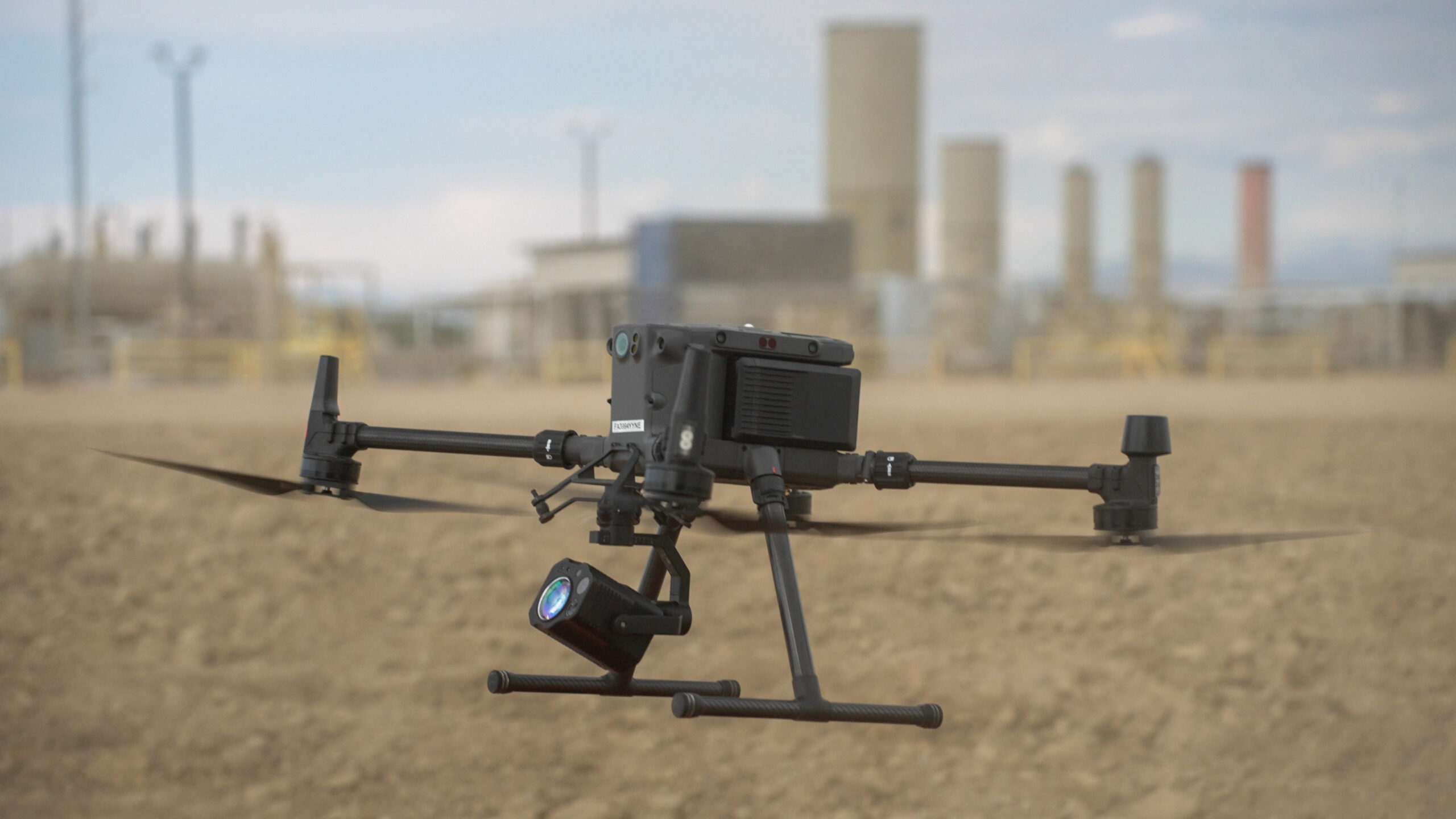
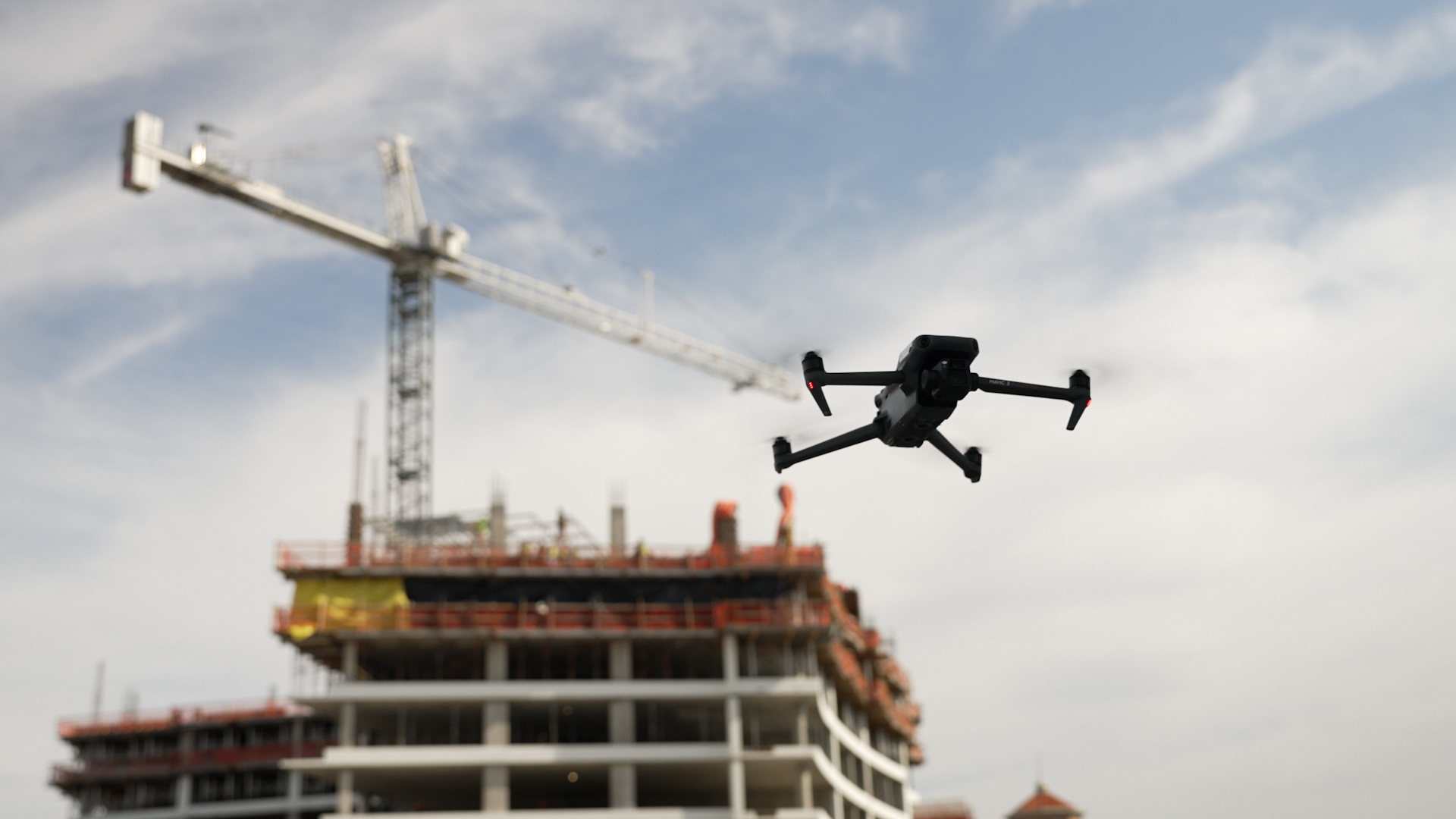
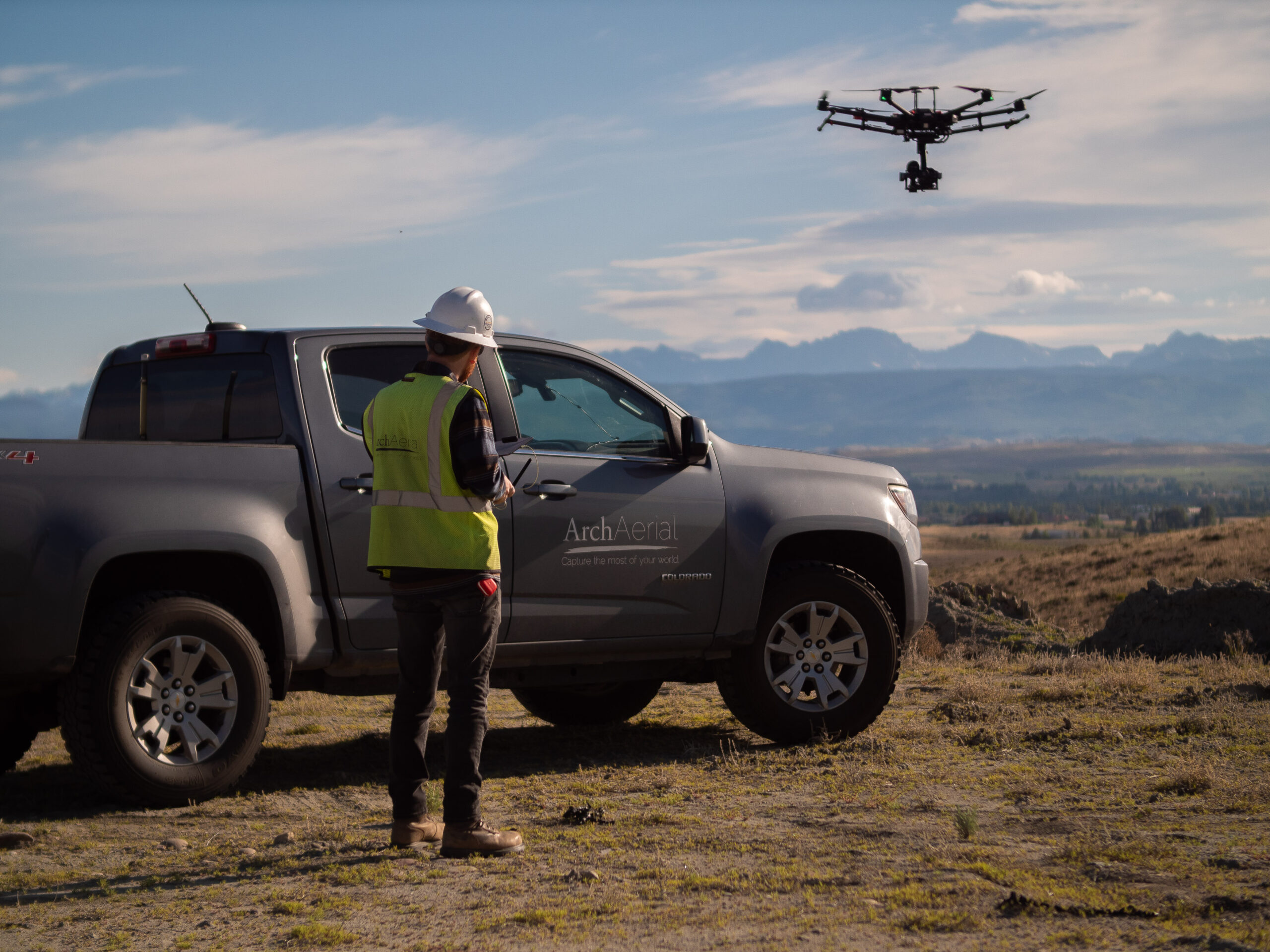

Recent changes around DJI and the FCC Covered List have raised questions for general contractors who rely on drones as part of their internal operations. While the headlines can sound concerning, the practical impact is more nuanced. This update is less about immediate flight restrictions and more about how construction firms think about fleet planning, risk, and long term drone strategy.
What the New DJI FCC Covered List Means for General Contractors Using Drones
General contractors who operate internal drone fleets are asking an important question right now.
What does the FCC’s new DJI Covered List decision actually mean for my projects and my drone fleet?
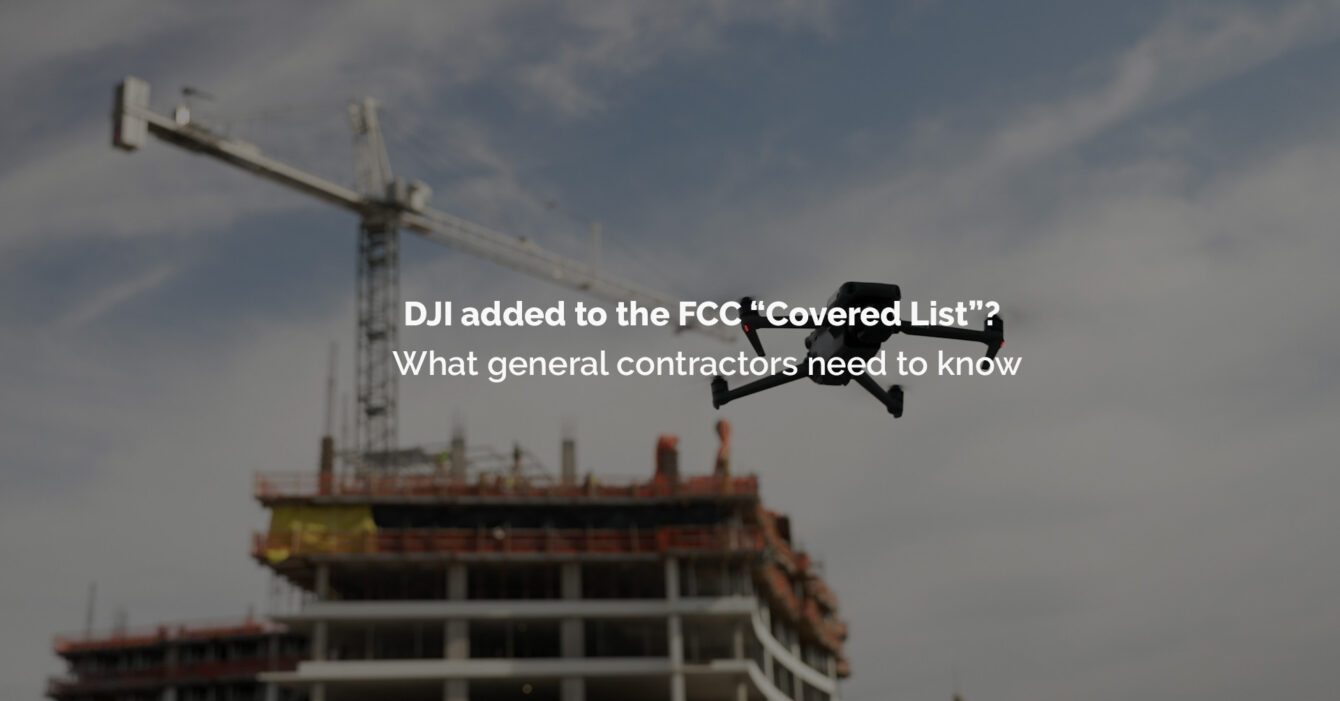
This week, the FCC added all future DJI aircraft models to the Covered List. While this is not an outright ban on flying DJI drones that are already in operation, it does introduce real considerations for construction firms that rely on drones for progress documentation, site monitoring, inspections, coordination, and marketing.
For many general contractors, drones are no longer experimental tools. They are embedded into day to day workflows and reporting processes. That is why even a forward looking regulatory change can have practical implications.
Can GCs Still Fly Existing DJI Drones
Yes.
The FCC decision does not ground existing DJI aircraft or prohibit their use on construction sites. If you already own DJI drones, those aircraft can continue to fly under existing FAA rules and approvals.
However, the more important question for many firms is not whether they can fly today, but how sustainable their drone program will be over time.
As aircraft age, are damaged in the field, or reach end of life, general contractors will need to consider how replacement decisions may be affected. The ability to easily source new equipment has historically been a given for many internal drone programs. This decision introduces uncertainty into that assumption.
Why This Complicates In House Drone Programs
For general contractors that own and operate an internal drone fleet, this change creates several longer term challenges that go beyond immediate compliance. The impact is less about a single regulation and more about how internal drone programs are maintained over time.
Equipment availability and fleet continuity
New DJI models may become difficult or impossible to source in the United States, limiting future purchasing options. Replacement aircraft may not be available when existing units are retired, damaged, or grounded. Over time, access to spare parts and manufacturer support could also become more limited, making long term fleet planning more difficult.
Standardization and operational risk
Fleet standardization becomes more challenging as regulations, trade policy, and geopolitics continue to evolve. Relying on a single manufacturer introduces risk when future availability or approvals are uncertain, especially for teams managing multiple projects or regions.
Ongoing program requirements
Even as hardware uncertainty increases, internal drone programs still require pilot training, certification management, insurance, software licensing, and ongoing hardware investment. These requirements do not go away, even as equipment decisions become more complex.
For many GCs, drones started as a simple internal solution to improve visibility and documentation. Over time, those programs have grown in scope and importance. What was once a small internal capability has become an operational system that requires active management, oversight, and long term planning.
How Some GCs Are Rethinking Drone Operations
In response, we are seeing more construction firms step back and ask a broader operational question.
Do we want to continue owning and maintaining a drone fleet, or do we want reliable aerial data without the burden of managing the fleet itself?
Rather than navigating aircraft availability, compliance changes, pilot coverage, data consistency, and reporting standards internally, some GCs are choosing to work with specialized drone service providers who absorb that complexity for them.
This approach allows project teams to continue receiving the aerial data they rely on while reducing their exposure to manufacturer specific risk or regulatory shifts. It also helps standardize deliverables across multiple projects, regions, and teams.
Aerial Data Without the Fleet Risk
At Arch Aerial, we work with general contractors across commercial and infrastructure projects to deliver aerial data as a service rather than a system they have to maintain internally.
Our work commonly includes construction progress documentation, high resolution aerial photography and video, mapping, and site visualization. We also support consistent reporting across multi site portfolios so teams can compare progress and maintain continuity from project to project.
Our clients do not need to manage aircraft, pilots, or regulatory changes. We handle those elements as part of our service so project teams can stay focused on planning, coordination, and building.
Planning Ahead Not Panic
The key takeaway for general contractors is straightforward.
This is not a reason to panic. It is a reason to plan.
The FCC Covered List decision does not stop current operations or invalidate existing equipment. However, it does signal that uncertainty around drone hardware and regulation is likely to continue.
For organizations evaluating how this change impacts their long term drone strategy, now is a good time to explore options that reduce operational risk while preserving data quality, consistency, and reliability.
If you would like to talk through how other general contractors are approaching this shift, or how a third party drone services partner might fit into your planning for 2025 and beyond, we are always happy to have a conversation.