Can Drones Fly As Many Miles as Fixed-Wing or Manned Aircraft for Pipeline Patrols?
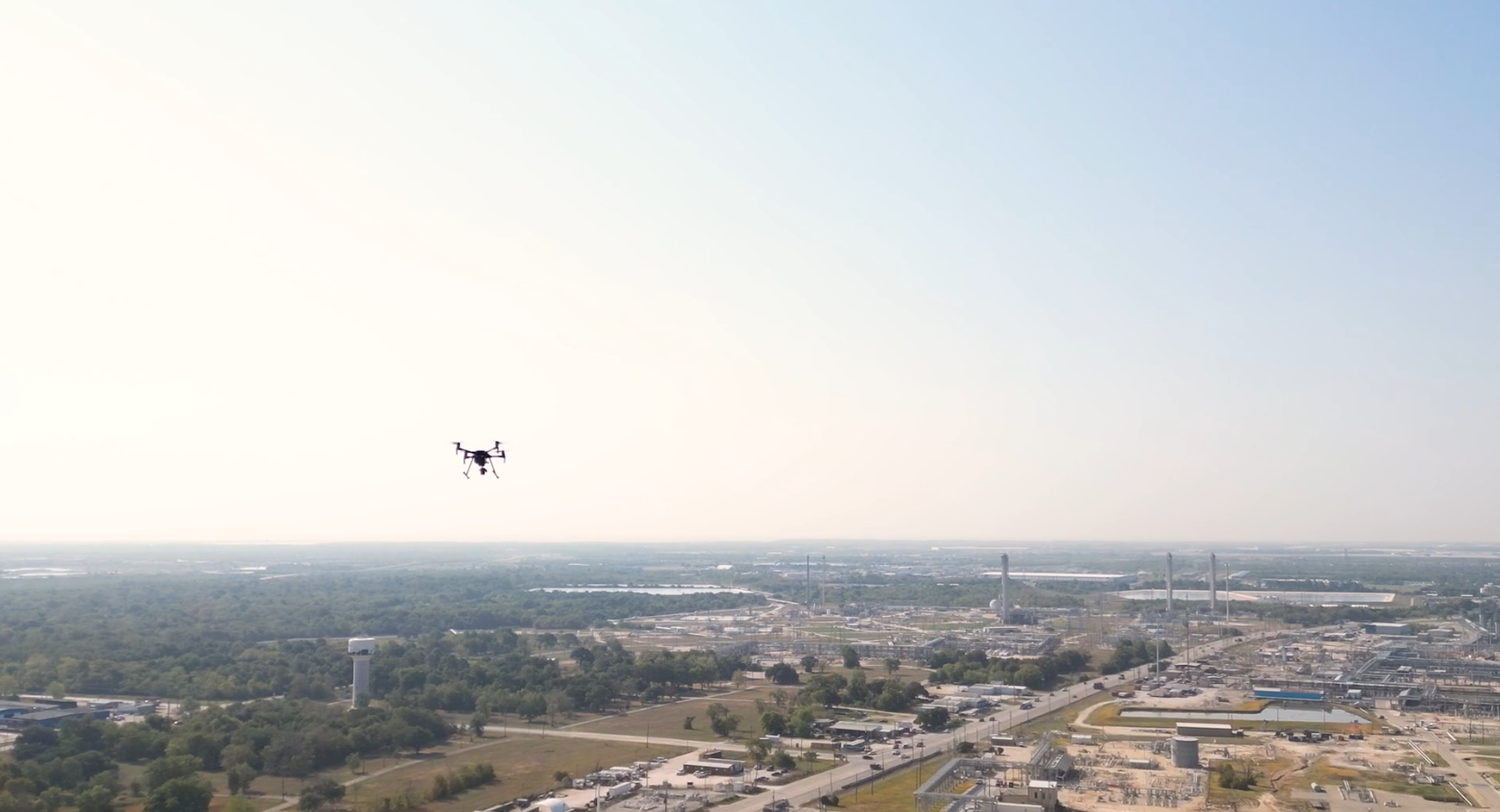
Yes. With the right aircraft and operating approvals, drones can patrol hundreds of miles of pipeline and can be deployed at the scale traditionally associated with manned fixed-wing aircraft.
The important caveat is that not every drone can do it.
There is a major difference between flying an enterprise multirotor a few miles at a time and operating a long-range unmanned aircraft built for linear infrastructure. At Arch Aerial, we match the aircraft and operating method to the pipeline, terrain, inspection requirement and mileage that needs to be covered.
For large programs, the question isn’t whether a drone can fly far enough. It’s whether the entire operation is designed to cover long linear assets efficiently.
How Many Miles Can a Drone Patrol in a Day?
There isn’t one universal number.
Daily production depends on the aircraft, inspection speed, required altitude, sensor, airspace, terrain, pipeline routing, weather, launch and recovery locations, and how much repositioning the route requires.
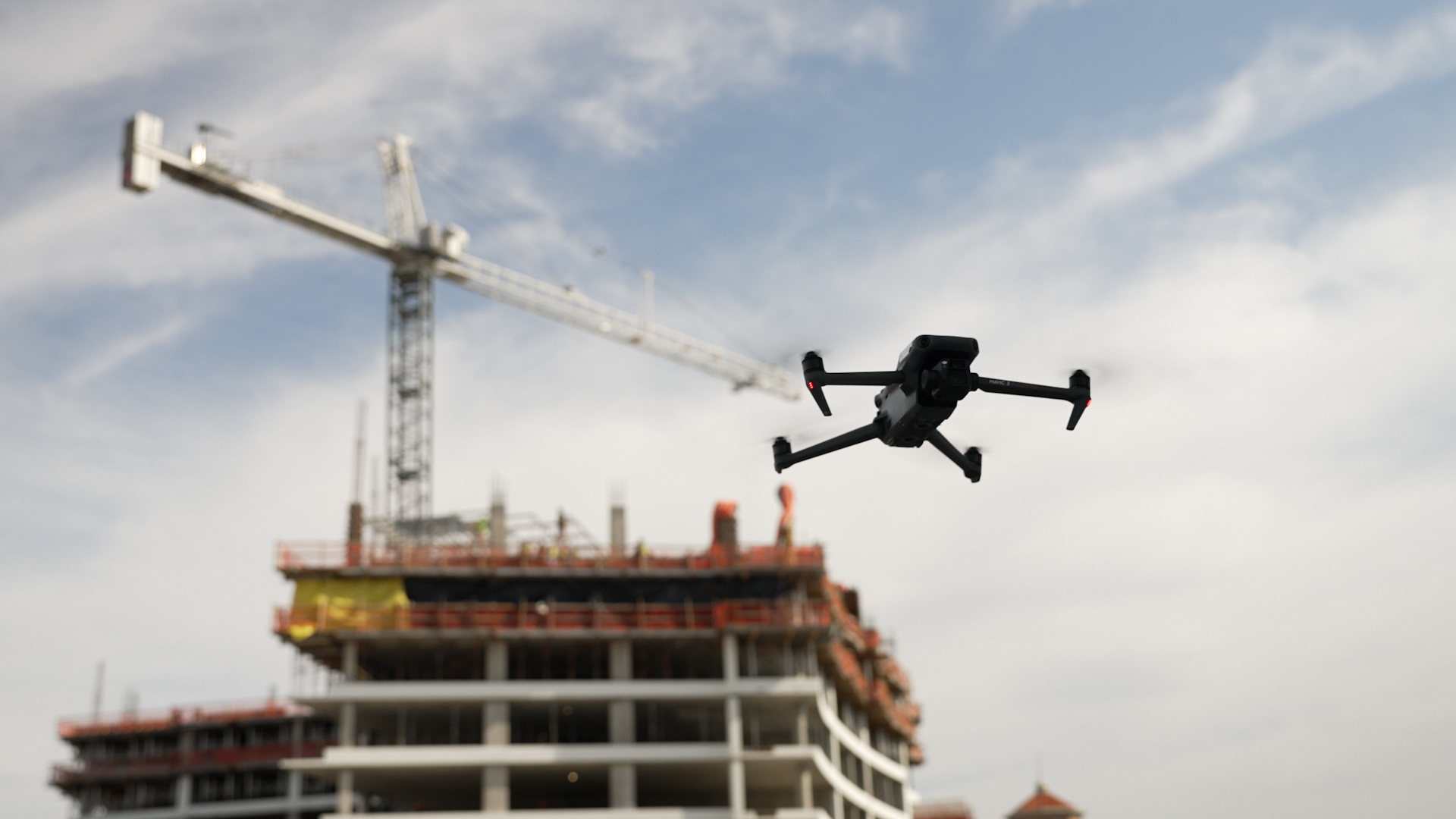
For shorter or more complex routes, a multirotor is often the right tool. It can fly slowly, maneuver around facilities and collect very detailed imagery.
For long-distance patrols, fixed-wing UAS are the better fit. Longer endurance and higher cruise speeds mean far more pipeline inspected per flight.
A manned airplane has real advantages. It can stay airborne for hours, reposition quickly and cover long distances without swapping batteries or recovering an aircraft.
But aircraft endurance isn’t the same thing as productive pipeline miles per day.
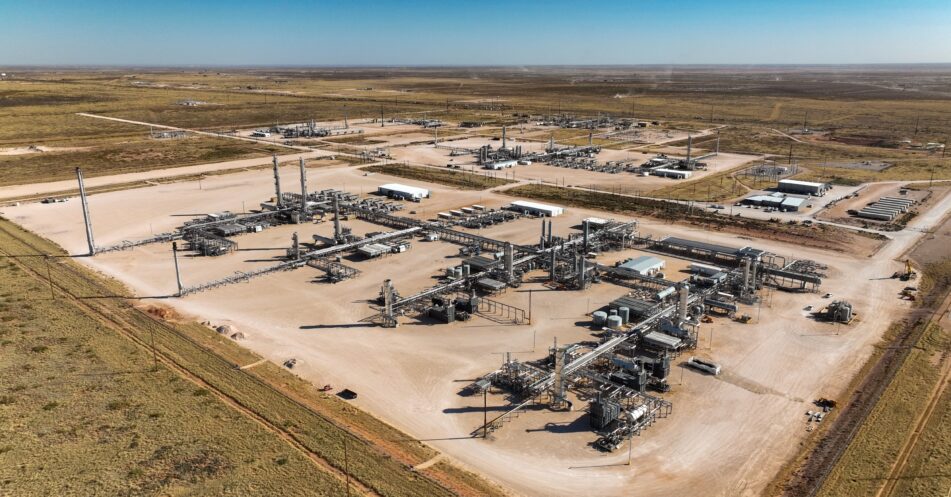
Real patrol routes aren’t one straight line from a convenient airport. They involve laterals, turns, facilities, changing airspace, weather, populated areas and pipelines that sit far from the nearest runway.
A drone operation launches close to the asset. That means more of each flight is spent inspecting pipeline instead of transiting to and from an airport.
On large projects, we also run multiple aircraft and crews across different sections of a system at the same time. Instead of comparing the endurance of one aircraft, we plan around the production capacity of the whole operation.
That’s how unmanned aircraft compete with, and in the right application outperform, the production model of traditional aerial patrol.
BVLOS Is What Changes the Equation
The biggest difference between short-range drone inspection and true pipeline patrol at scale is Beyond Visual Line of Sight, or BVLOS, operations.
Under standard Part 107 rules, a small unmanned aircraft generally must stay within the pilot’s visual line of sight. The FAA can authorize operations beyond that limit through waivers.
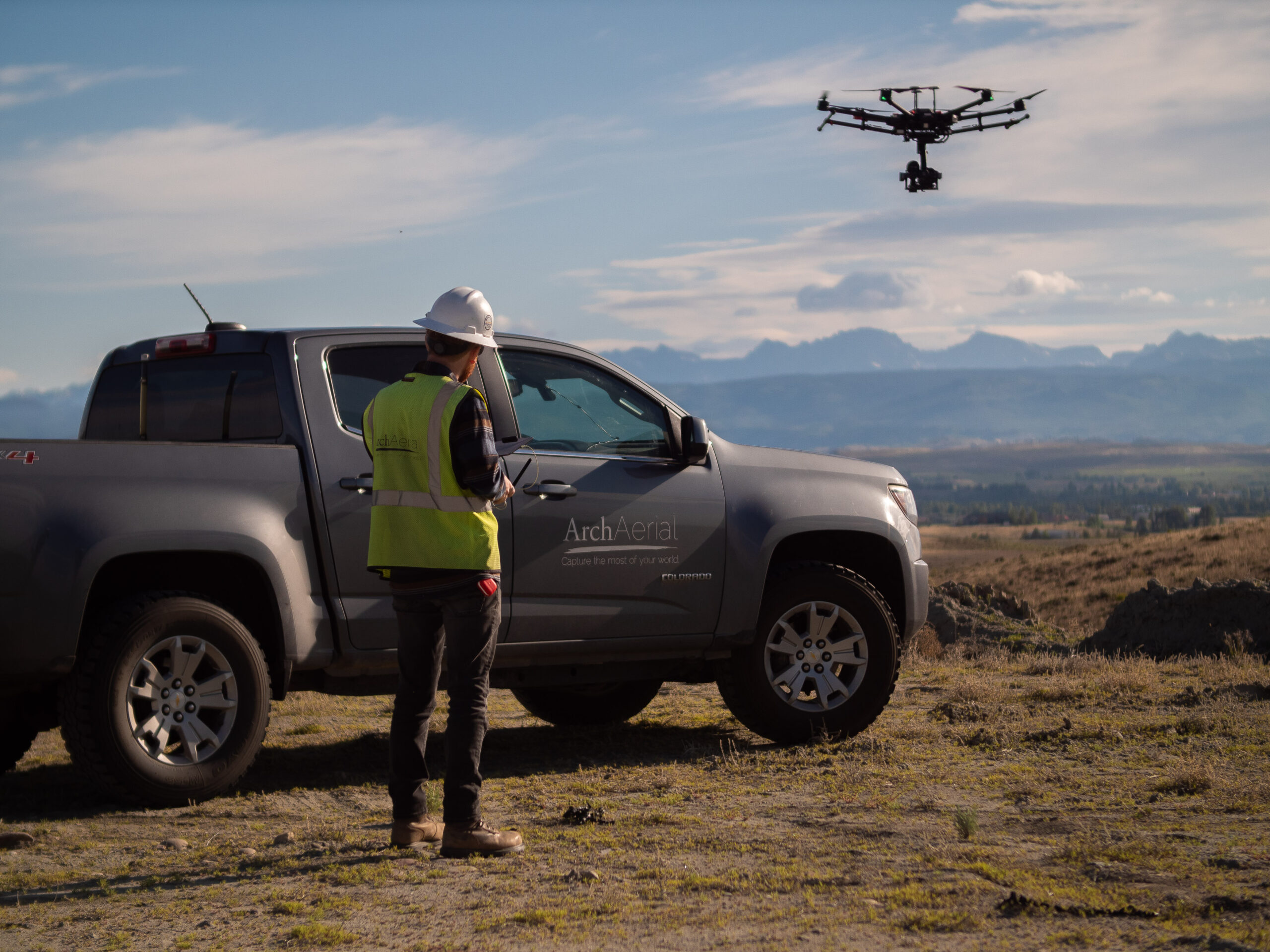
Arch Aerial holds an FAA BVLOS waiver, because pipeline patrol is fundamentally a long-distance job.
Once an operation can safely and legally extend beyond the pilot’s visual range, drones stop being limited to short segments and become a tool for inspecting entire pipeline systems. That is a very different model from sending a pilot out with a multirotor to fly a mile or two at a time.
Fixed-Wing vs. Multirotor Drones for Pipeline Patrol
We use both, because they’re good at different things.
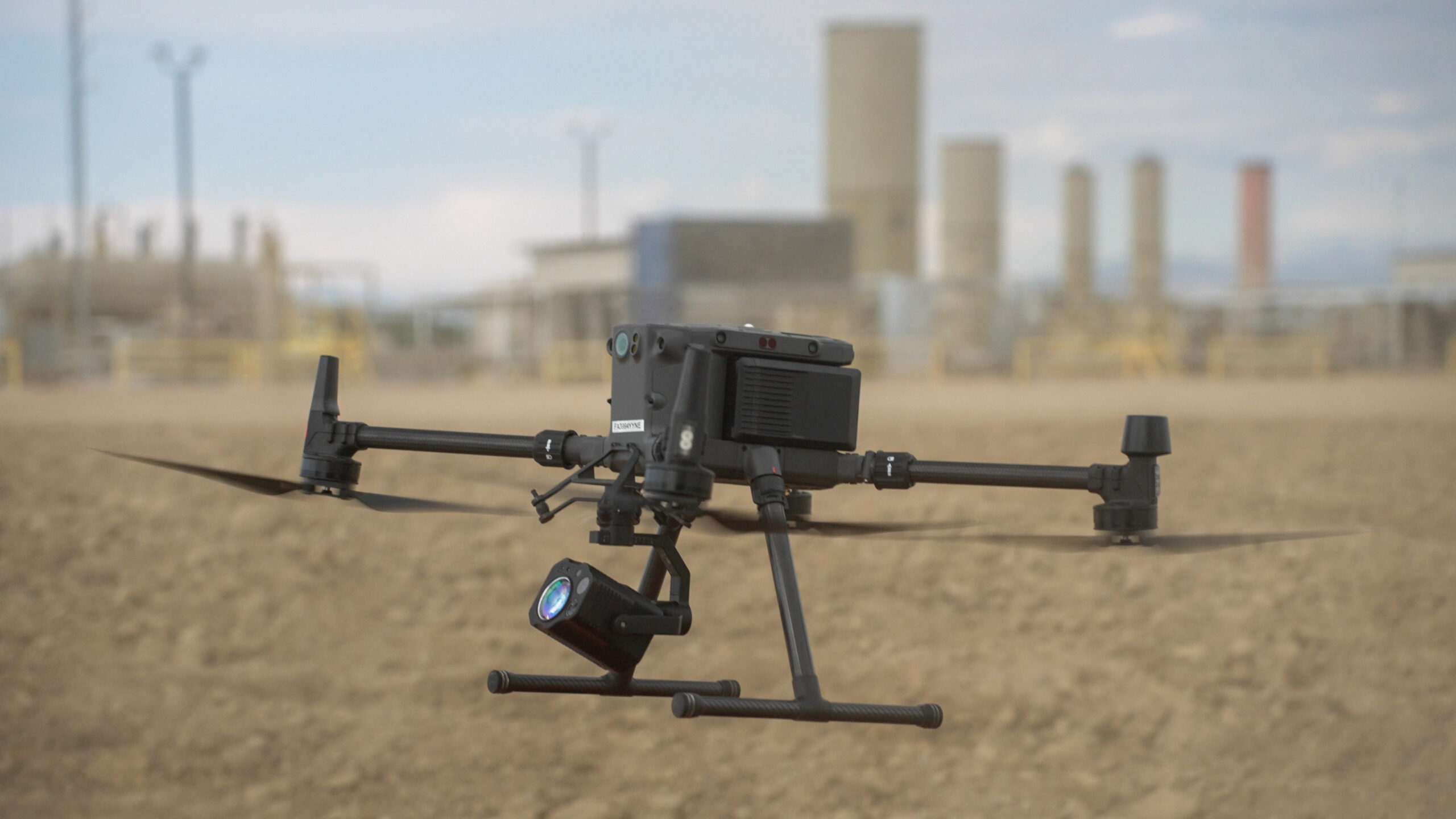
Multirotors, like our DJI Matrice 350 and 400, are the right choice when the job calls for slower speeds, detailed photography, leak detection, facility inspection or precise documentation of a short area.
Fixed-wing UAS, like our Trinity Pro, are built for long linear corridors where endurance, speed and production matter.
On many projects, the best answer is both: fixed-wing aircraft covering long stretches of right-of-way, and multirotors handling facilities, anomalies and areas that need a closer look.
The aircraft is a tool. We start with the data the operator needs and build the flight operation around it.
Drones Capture More Than a Traditional Flyover
Mileage is only part of the comparison.
One of the biggest advantages of unmanned patrol is the documentation created while covering those miles.
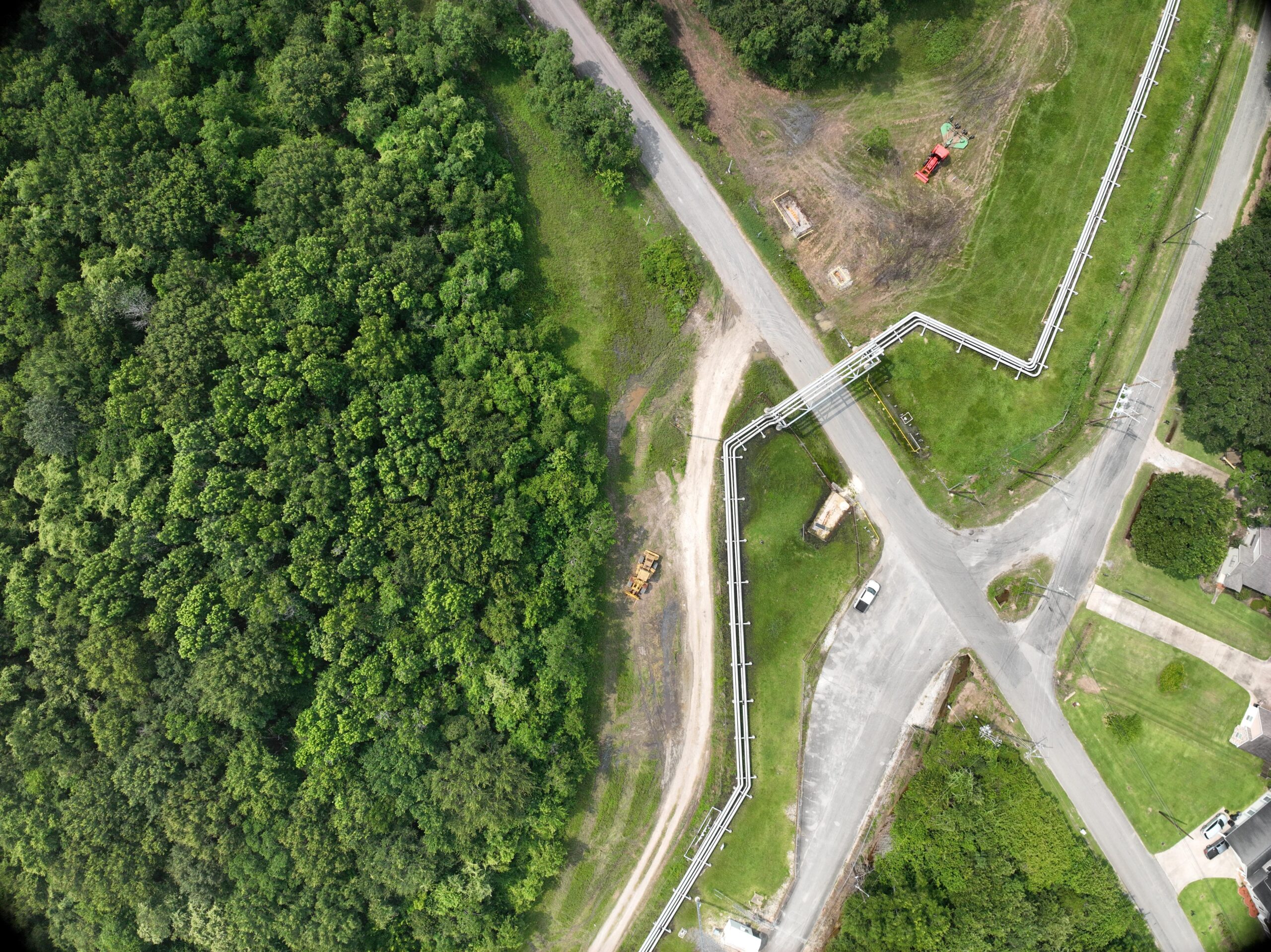
Our drone pipeline patrol programs capture low-altitude imagery continuously along the right-of-way. Instead of relying only on what an observer sees while passing overhead, the operator gets a georeferenced record that can be reviewed after the flight.
Depending on the project, that can include:
High-resolution imagery along the entire right-of-way
The goal isn’t just to fly the same miles as an airplane. It’s to cover those miles and hand the operator better information.
When Does Manned Aircraft Still Make Sense?
We’re a drone company, but a drone isn’t automatically the best aircraft for every pipeline.
Some routes, operating environments and very large networks are still well served by manned aircraft. Others clearly favor drones.
The deciding factors are usually inspection frequency, total mileage, the data being collected, geography, distance from airports, the regulatory environment, and whether the operator wants a permanent imagery or sensor record of the line.
That’s why we don’t force every project onto one aircraft. We look at the system first.
Can Drones Scale for Large Pipeline Systems?
Yes.
Arch Aerial has spent years building pipeline operations around that exact problem: taking a technology usually seen as a short-range inspection tool and deploying it across hundreds of miles of infrastructure.
The answer takes more than an aircraft with a bigger battery. It takes the right UAS, BVLOS approval, trained crews, operating procedures, logistics, data infrastructure and a reporting process built for linear assets.
For operators evaluating unmanned patrol, that’s the comparison that matters. Don’t ask whether one drone can stay in the air as long as one airplane. Ask how many productive pipeline miles the whole operation can inspect, and what information you have when the patrol is done.
It depends on the mission. Fixed-wing UAS cover more linear mileage. Multirotors are better for detailed inspection, facility documentation and slower sensor work.
Drones launch close to the line, fly lower, and create a georeferenced imagery and sensor record of the right-of-way that can be reviewed and compared over time.
Yes. Arch Aerial holds an FAA BVLOS waiver and runs long-range UAS operations built for large-scale pipeline patrol.
Arch AerialArch Aerial
Testimonials from our fantastic customers
"Arch Aerial's encroachment patrols enabled us to eliminate 176 hours of prep time for Railroad Commission audits."
Targa Resources
Pipeline Supervisor
"Arch Aerial has done a terrific job and they are such a please to work with. They are always on time, professional and the quality of their drone photos and videos are outstanding."
Turner
Project Manager
"They are quick to respond to our requests and we can count on them to deliver good quality images. I highly recommend Arch Aerial for your construction project aerials needs!"